Architecture
Doric, Ionic and Corinthian Up Close
The three familiar orders are systems of proportion and detail, not merely three interchangeable capital designs.
Part 1
Order means relationship
An architectural order coordinates base, shaft, capital and entablature. The eye may go first to the capital, but the larger effect comes from repeated proportions and the rhythm of the whole colonnade.
Doric and Ionic dominated much Archaic and Classical Greek architecture. Corinthian emerged later and became especially influential beyond the Classical period.
Part 2
What to look for
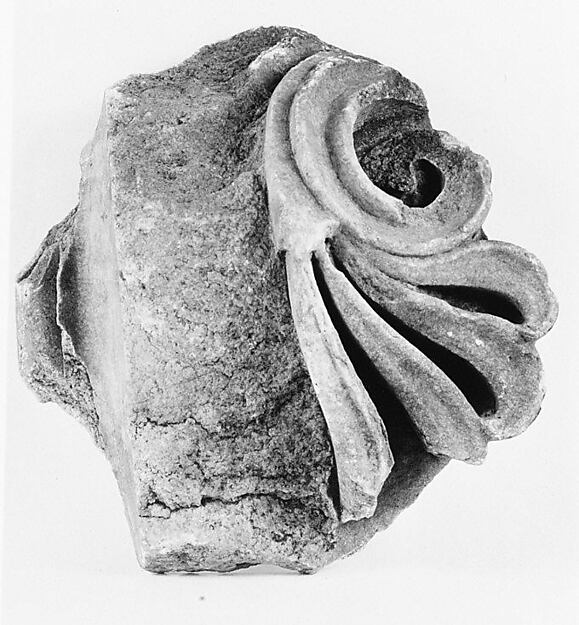
Doric columns usually rise without a separate base and use a restrained capital. Ionic columns stand on a base and end in scroll-like volutes. Corinthian capitals use layered vegetal forms, often acanthus leaves.
These features are a starting point. Regional variants, date and later restoration can change the appearance of any example.
Part 3
Fragments and reconstruction
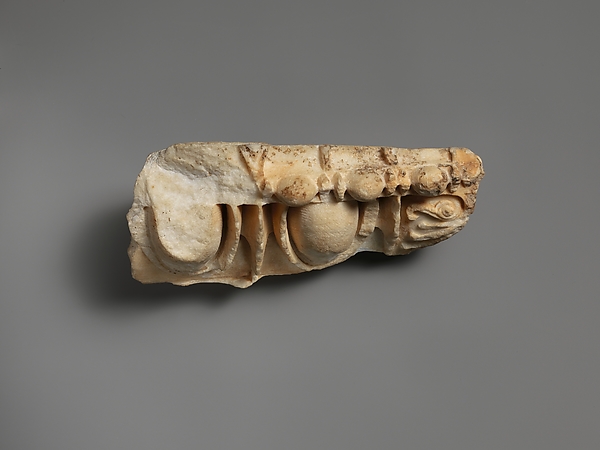
A surviving capital fragment can establish profiles and carving sequences, yet it may not reveal the complete elevation. Reconstruction combines multiple pieces, measured drawings and comparison. Digital images are useful, but scale and museum display context should always be checked.
Open the record behind this article
Our summary does not replace the original catalogue, text or institutional guidance.
The Met collection record