Name the witness
Homer and Hesiod are authors and traditions with their own contexts. We identify the passage rather than claiming that “the Greeks believed” one uniform account.
Mythology
Read the mountain through poetry, divine attributes and the long life of retelling—while keeping literary evidence distinct from geography.
Myth is not a failed scientific report. It is a cultural language of power, kinship, conflict, place and memory, preserved in multiple versions rather than one fixed canon.
Reading guide
Homer and Hesiod are authors and traditions with their own contexts. We identify the passage rather than claiming that “the Greeks believed” one uniform account.
The conventional group of twelve Olympians was not represented by one completely fixed ancient list.
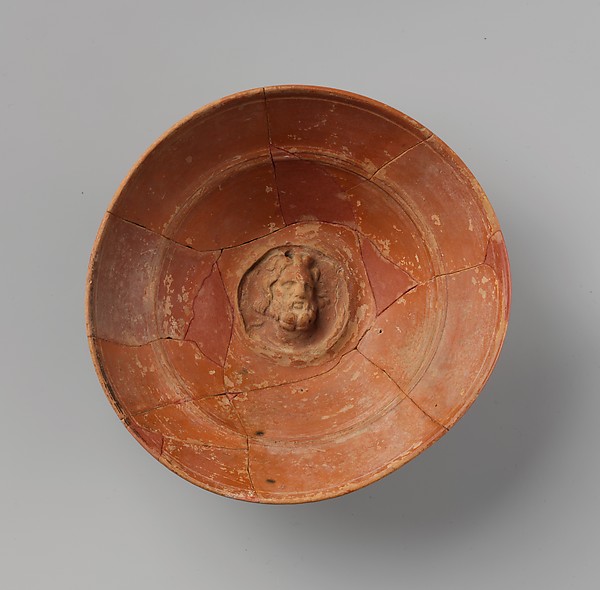
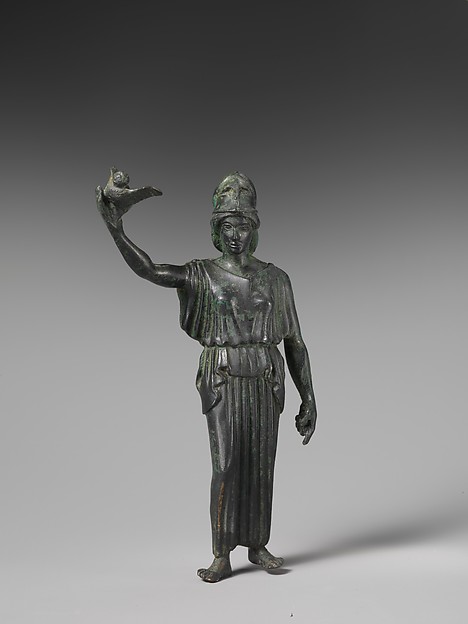
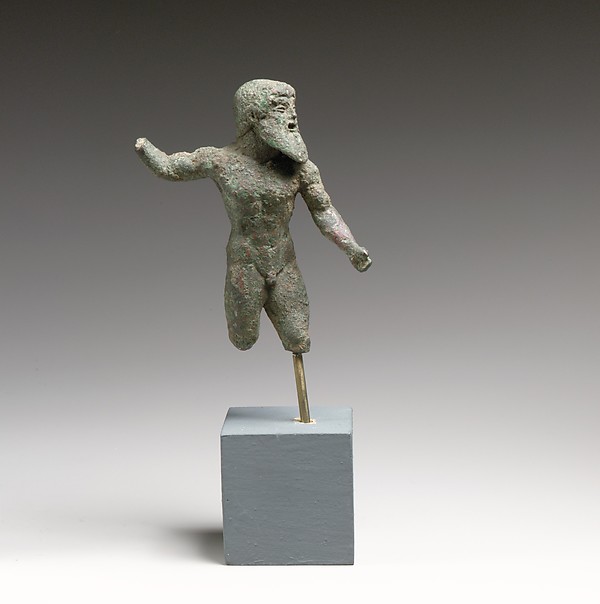
A thunderbolt, owl or trident can support identification, but damage and shared forms may leave responsible uncertainty.
Selected reading
Each article separates surviving evidence from later interpretation and links its principal sources.
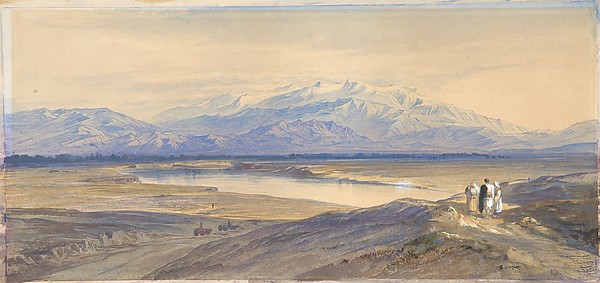
A real summit, an inaccessible cloud line and generations of poetry made Olympus both a place on the map and a divine address.
Read ArticleThe thunderbolt identifies Zeus in texts and images—but an absent attribute can make an ancient figure difficult to name.
Read ArticleOwls, thunderbolts, tridents and helmets help identify ancient figures—when enough of the object survives.
Read ArticleModern books, films and visual worlds do not simply preserve myths: they select, combine and rewrite them.
Read ArticleStarting sources