Object Reading
Reading the Gods Through Their Attributes
Owls, thunderbolts, tridents and helmets help identify ancient figures—when enough of the object survives.
Part 1
Identity is assembled
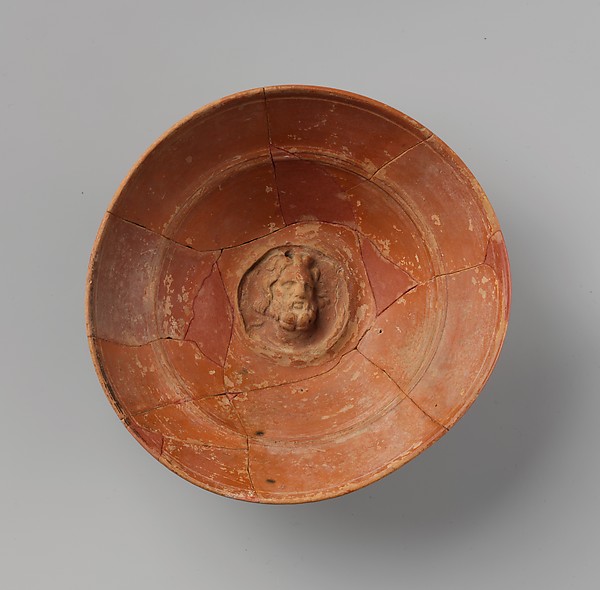
Museum identification draws on attributes, pose, costume, material, date and comparison. No single clue always settles the question. A bearded head may suggest Zeus, but shared visual conventions or later religious exchange can complicate the label.
Qualified titles such as “Zeus or Sarapis” are a strength, not a weakness. They show readers where evidence stops.
Part 2
Attributes as visual grammar
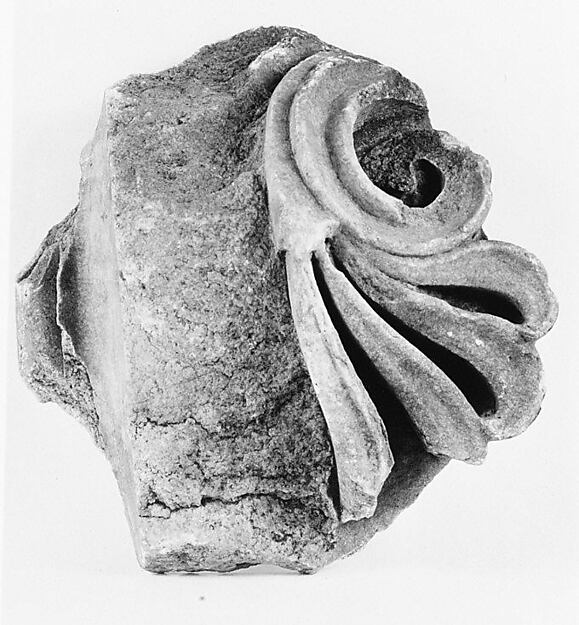
Athena’s owl and helmet, Poseidon’s trident and Zeus’s thunderbolt make a figure legible within a crowded scene. Artists could emphasize, omit or transform these signs, and damage may remove them after burial.
A good object reading begins with what is visible, then distinguishes documented comparison from speculation.
Part 3
A practical viewing method
Start with the museum record. Note the date range, material and provenance terminology. Look for missing hands or attachments. Then compare other securely identified examples. The goal is not to force a dramatic answer but to understand why the catalogue uses its exact wording.
Open the record behind this article
Our summary does not replace the original catalogue, text or institutional guidance.
The Met collection record