Mythology
Why Mount Olympus Became the Home of the Gods
A real summit, an inaccessible cloud line and generations of poetry made Olympus both a place on the map and a divine address.
Part 1
A mountain and a literary place
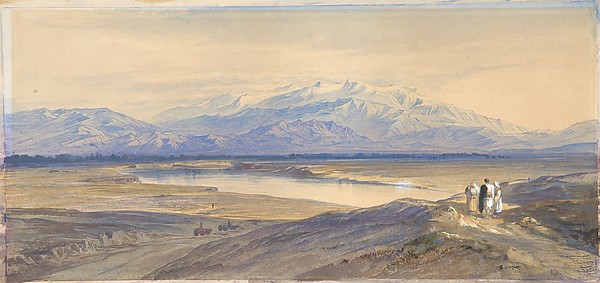
Olympus is a real mountain massif in northern Greece. Ancient poets also describe it as a remote, elevated dwelling of the gods. These statements belong to different kinds of evidence: geography can be measured, while poetic Olympus is understood through surviving texts.
The distinction matters. The landscape may have helped make the image persuasive, but literature—not archaeology—gives us the divine assemblies, feasts and interventions associated with the name.
Part 2
What Homer and Hesiod contribute
In the Iliad, Zeus gathers the gods on the highest peak of many-ridged Olympus. Hesiod likewise connects Zeus with thunder, lightning and the thunderbolt. These are literary witnesses to Greek ideas, not field reports from the summit.
Reading the passages beside the physical mountain shows why Olympus remained such a powerful cultural coordinate: it could be seen, approached and climbed, yet its upper reaches could still support an imaginative world beyond ordinary life.
Part 3
The living mountain
Today, the mountain is studied for its geology, biodiversity and cultural associations. UNESCO describes its limestone relief, high peaks and long place in Greek tradition. The myth has not replaced the landscape; it has become one layer in how people encounter it.
Open the record behind this article
Our summary does not replace the original catalogue, text or institutional guidance.
The Met collection record