Landscape
The Real Geography of Mount Olympus
Limestone peaks, steep ravines and a changing mountain climate define Olympus beyond its literary fame.
Part 1
Where the mountain stands
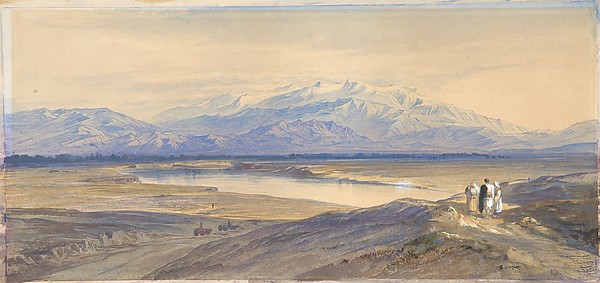
Mount Olympus rises in northern Greece near the Aegean coast. Its high massif includes Mytikas, the country’s highest summit, and Stefani, whose profile is closely tied to the mountain’s modern visual identity.
The mountain is not a single smooth cone. Limestone cliffs, cirques, ridges and the Enipeas ravine create a complex terrain whose appearance shifts sharply with viewpoint and weather.
Part 2
Elevation creates many environments
Rapid changes in altitude produce distinct climate and vegetation zones. That compression of habitats contributes to the mountain’s biodiversity and scientific value.
Cloud, snow and storm should not be treated only as dramatic scenery. They are part of the physical conditions that shape routes, ecosystems and how the summit is seen from below.
Part 3
Cultural geography
UNESCO’s record brings natural and cultural significance together. The same massif can be studied as geology, habitat, destination and a place repeatedly reimagined in Greek tradition. Keeping those perspectives distinct makes the whole story stronger.
Open the record behind this article
Our summary does not replace the original catalogue, text or institutional guidance.
UNESCO World Heritage record