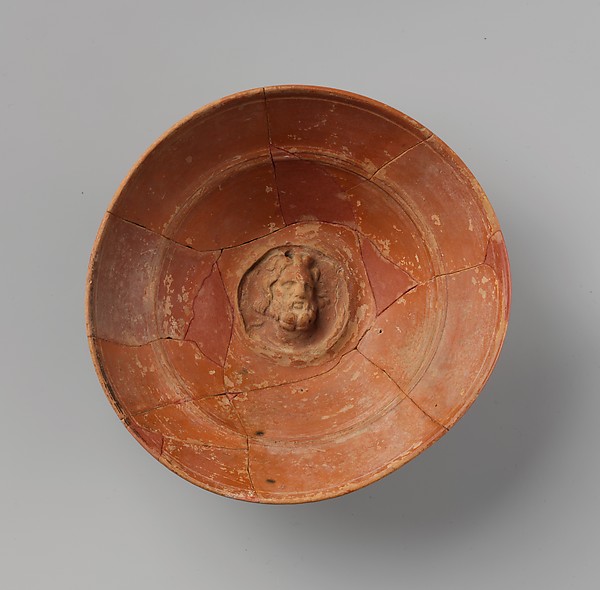
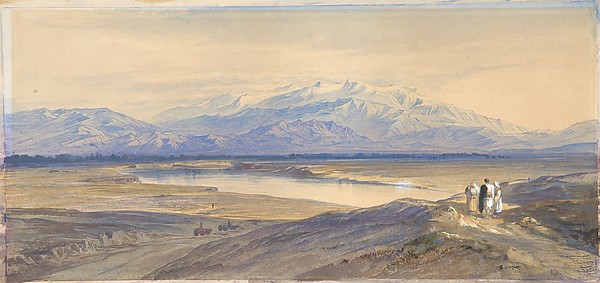
Reception
How Greek Myths Influence Modern Culture
Modern books, films and visual worlds do not simply preserve myths: they select, combine and rewrite them.
Part 1
Adaptation, not a single inheritance
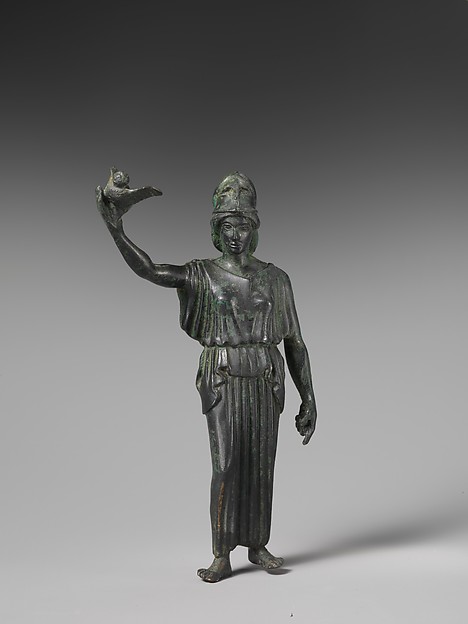
There is no one modern version of Greek myth. Each adaptation chooses a source tradition, audience and tone. A novelist may foreground a marginal figure; a film may compress several genealogies; a designer may turn an attribute such as Athena’s owl into a quick visual cue.
Calling every change an error misses how myths have always been retold. The better question is what a new work changes—and what that change allows it to say.
Part 2
Recognizable visual language
Columns, marble, storm clouds and gold are often used as shorthand for Olympus. These signals are effective but historically broad. A Doric façade and a Roman-era Corinthian interior do not represent the same moment merely because both look “classical.”
Editorial design can use the vocabulary responsibly by identifying it as an evocation and linking readers to specific objects and buildings.
Part 3
Returning to the sources
Modern reception becomes richer when it leads back to texts, archaeology and museum records. Comparison reveals both continuity and invention: the owl may still indicate Athena, while character, plot and setting may be entirely new.
Open the record behind this article
Our summary does not replace the original catalogue, text or institutional guidance.
The Met collection record