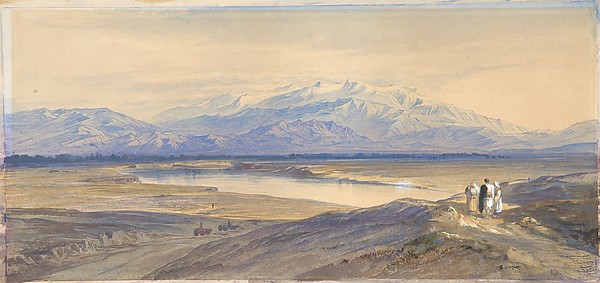
Material Culture
Marble, Gold and Sacred Architecture
Temples were built from coordinated stone, timber, metal and color—not from an imaginary world of uniform white marble.
Part 1
A material system
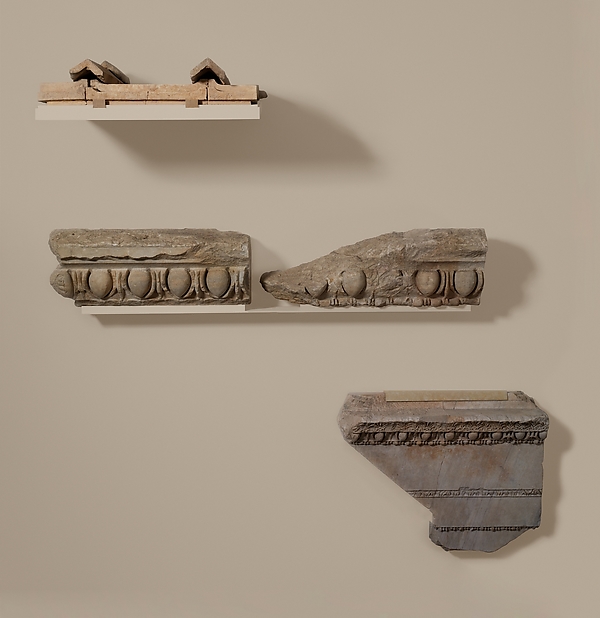
Temples combined materials according to local supply, engineering demands and patronage. Foundations and platforms used cut masonry; upper walls could combine stone with mud brick; roof frames were timber; tiles were terracotta or, in exceptional projects, marble.
Gold was prestigious and visually potent, but it was not the default surface of Greek architecture. It is more accurate to discuss specific metal fittings, cult objects or later descriptions than to cover an imagined temple in gold.
Part 2
Color in the ancient sanctuary
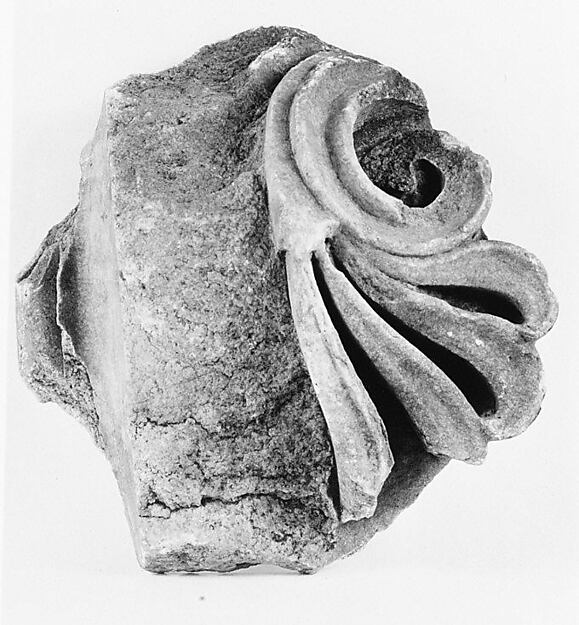
Surviving stone often looks pale because pigments and attachments have weathered away. Architectural members and sculpture could carry painted detail. The modern equation “ancient equals white” therefore hides an important part of the visual environment.
Reconstruction must still be cautious: evidence differs from building to building, and a plausible color scheme is not automatically a documented one.
Part 3
Fragments tell structural stories
A roof tile or carved molding may appear minor beside a complete column, yet it records drainage, weight, weather protection and decorative rhythm. Museums preserve these pieces because architecture is understood through systems, not only through monumental views.
Open the record behind this article
Our summary does not replace the original catalogue, text or institutional guidance.
The Met collection record